Why You Need a Graphic Designer Versus a Signage Contractor
February 6, 2026

When planning a retail store, café, restaurant, hotel, childcare centre or aged care facility, it’s easy to focus on finding an interior designer whose portfolio looks impressive.
However, commercial design is about far more than creating a beautiful space.
Choosing an interior designer with experience in your specific industry can have a significant impact on how smoothly your project progresses, how quickly approvals are obtained and whether costly issues arise during construction.
An interior designer may create a visually stunning concept, but if they don’t have the experience to understand the operational requirements, compliance obligations and approval processes relevant to your tenancy, your project can quickly become expensive and delayed.
Retail Design Requires Specialist Knowledge
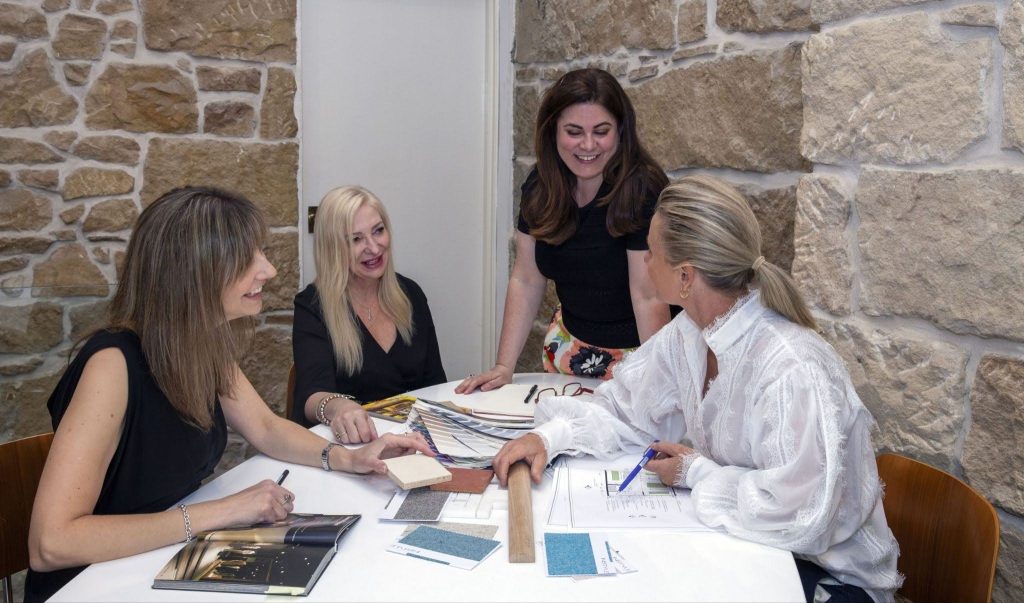
While a visually appealing store is important, it also needs to be practical and capable of being delivered efficiently.
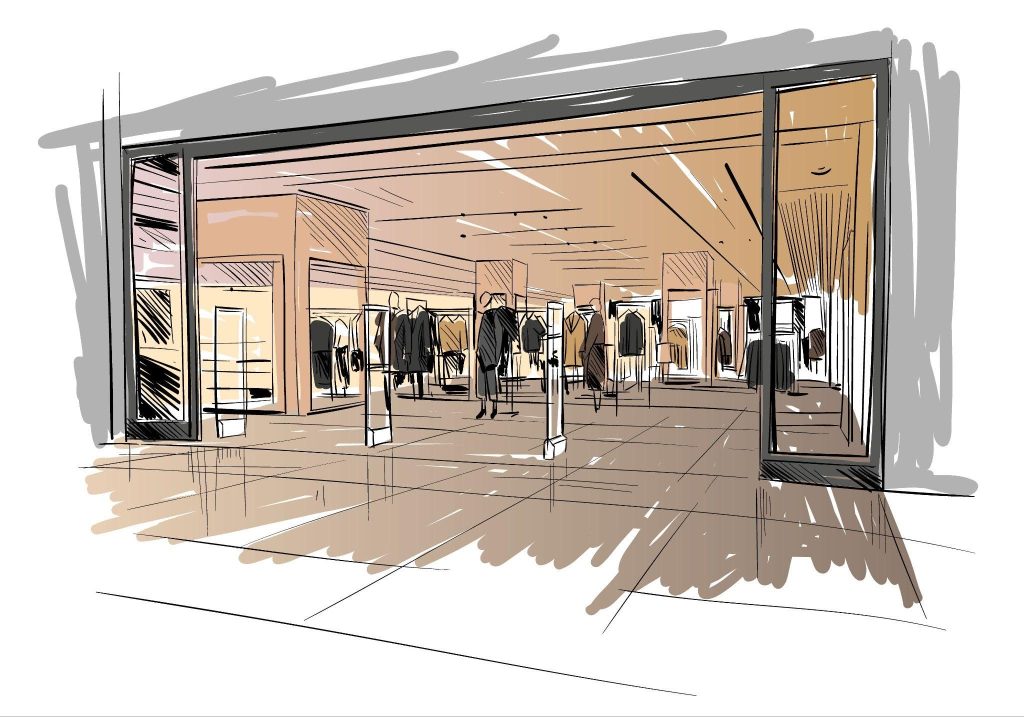
A successful retail interior designer must understand how customers interact with a space, how products are displayed, and how the tenancy functions within a shopping centre or commercial environment.
An experienced retail interior designer understands:
- Customer flow and shopper behaviour
- Shopfront design requirements
- Shopping centre design criteria
- Signage and branding requirements
- Landlord and centre approval processes
- Accessibility requirements
- Buildability and construction considerations
- Retail operational requirements
- How architectural, services and construction drawings impact the final tenancy outcome
By combining creative design skills with technical knowledge and industry experience, a retail interior designer can create a tenancy that not only enhances the customer experience but is also practical to build, compliant with requirements and positioned for long-term operational success.
Food and Food Court Design Requires Specialist Expertise
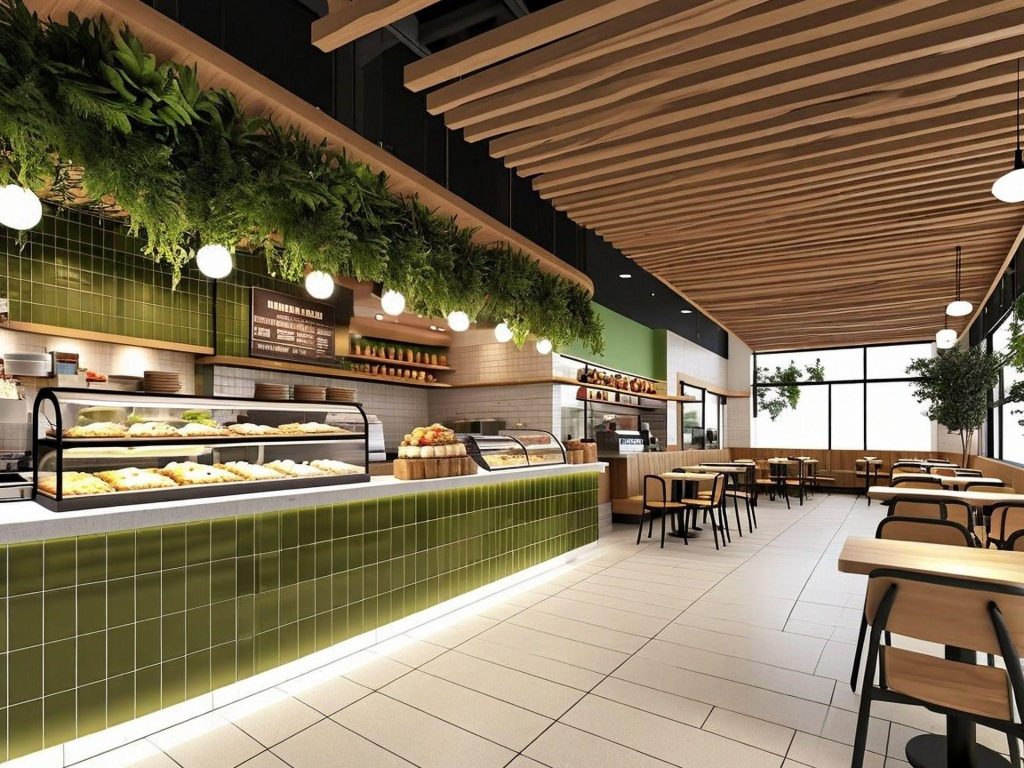
Food and food court tenancies introduce an additional layer of complexity that many general interior designers may not fully understand.
Beyond creating an attractive customer experience, food environments must be designed to support efficient operations while complying with strict health, safety and food handling regulations.
An experienced retail food interior designer understands:
- Food Code compliance
- Commercial kitchen workflows
- Food preparation and storage requirements
- Exhaust and ventilation systems
- Grease arrestor requirements
- Waste management systems
- Health authority approvals
- Front-of-house and back-of-house operations
- Food court landlord requirements
- Services coordination for specialised equipment
Overlooking these requirements during design can create operational challenges that are difficult and costly to rectify later. It can also result in approval issues, additional redesign work and delays to final fitout sign-off, preventing the tenancy from opening on schedule.
Specialist Retail Interior Designers Help Keep Projects on Time, on Budget and Approval Ready
Retail and hospitality fitouts often operate under extremely tight timeframes. Lease commencement dates, shopping centre opening requirements, seasonal trading periods and launch deadlines can all place pressure on project delivery.
One of the most common causes of delays and unexpected costs is discovering compliance issues or documentation gaps after the design has been completed.
Experienced retail interior designers understand the regulations and technical requirements that influence how a tenancy can be designed, approved and constructed, including:
- National Construction Code (NCC) requirements
- Accessibility requirements
- Fire safety requirements
- Food safety regulations
- Shopping centre fitout guidelines
- Industry-specific operational standards
They also understand the level of documentation required for approvals, pricing and construction, such as shopfront details, joinery drawings, reflected ceiling plans, finishes schedules, signage packages, services coordination, kitchen layouts and equipment schedules.
By identifying potential issues early and ensuring documentation is accurate, coordinated and buildable, experienced interior designers help reduce Requests for Information (RFIs), improve pricing accuracy, streamline approvals and minimise construction delays.
The result is a smoother project, fewer surprises during construction, and a greater likelihood of opening on time and within budget.
Retail Interior Designers Work Closely with Retail Design Managers

Even the most experienced retail interior designer cannot deliver a successful fitout alone.
Commercial projects involve multiple stakeholders, approvals, consultants, contractors and timelines that all need to be carefully managed throughout the project.
This is where a Retail Design Manager (RDM) adds significant value.
Working alongside the retail interior designer, the RDM acts as the central link between tenants, consultants, shopfitters, landlords, shopping centre management and approval authorities, helping keep the project moving smoothly from concept through to opening day.
Together, the retail interior designer and RDM bridge the gap between design and delivery, helping create a tenancy that is practical, compliant, buildable and operationally successful.
By identifying issues early, coordinating stakeholders and managing approvals throughout the process, the RDM helps minimise delays, reduce risk and keep projects on track.
Planning a Retail or Food Fitout?
The best commercial fitouts are delivered when great design is supported by industry knowledge, technical expertise and strong project coordination.
Choosing an retail interior designer or a retail food interior designer who has the relevant sector experience, supported by an RDM, can save you time, money and stress, help minimise risk, streamline approvals and create a space that works for customers, staff and operators alike.
At Citrus ID, our experienced retail interior designers, retail food interior designers and RDMs understand the unique challenges involved in commercial tenancies.
From shopping centre approvals and Food Code compliance through to documentation, coordination and project delivery, we help create spaces that work as well behind the scenes as they do for customers.
Get in touch to discuss your next retail, hospitality or commercial fitout project.