Australia’s Most Beautifully Decorated Retail Spaces at Christmas
December 1, 2025
When it comes to retail signage, many projects hit the same fork in the road: Do we really need a graphic designer, or can the signage contractor handle it?
It is an understandable question. Signage contractors are highly skilled at fabrication, materials, compliance and installation.
But great signage is not just about making signs. It is about communication, clarity and consistency across an entire retail environment. Well-designed signage improves navigation, reduces confusion, supports leasing outcomes and enhances how people feel within a place.
That level of impact does not come from fabrication alone. It comes from design thinking applied early, consistently and strategically.
Which is why a graphic designer is essential.
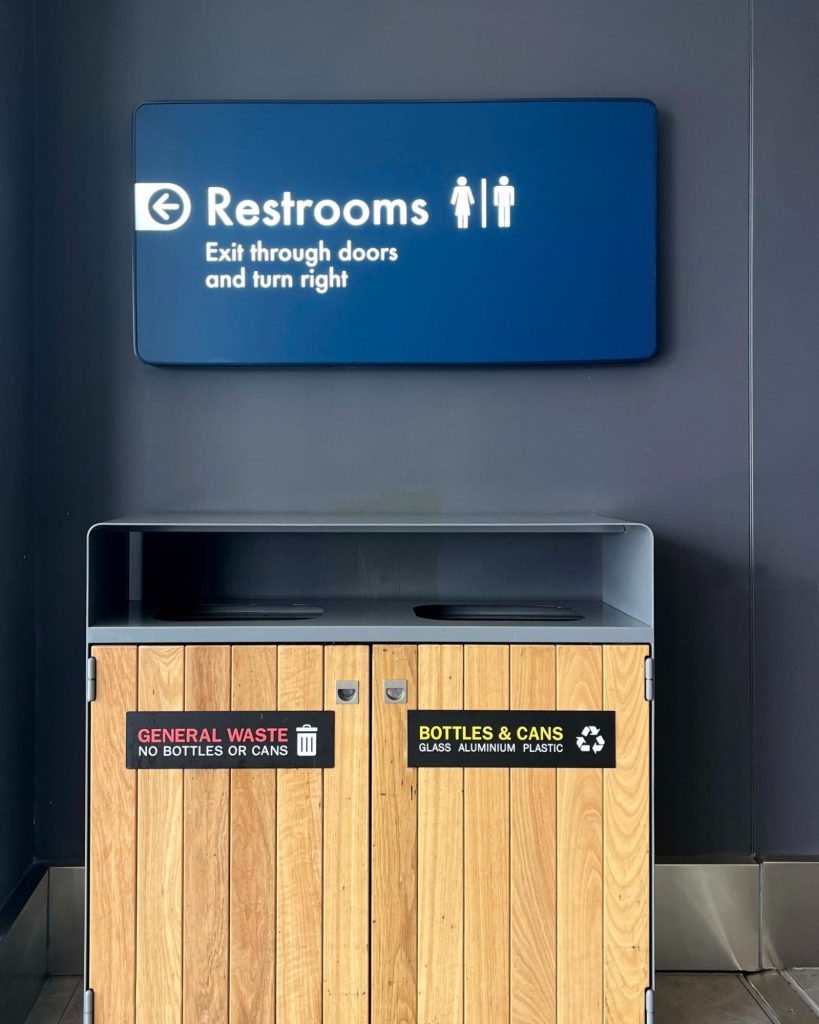
Designers approach signage as a communication system, not just construction
A signage contractor’s role is execution. They manufacture and install signage to specification, code and budget. What they do not do is define what the signage should say, how it should look, or how it fits into the broader brand and spatial story.
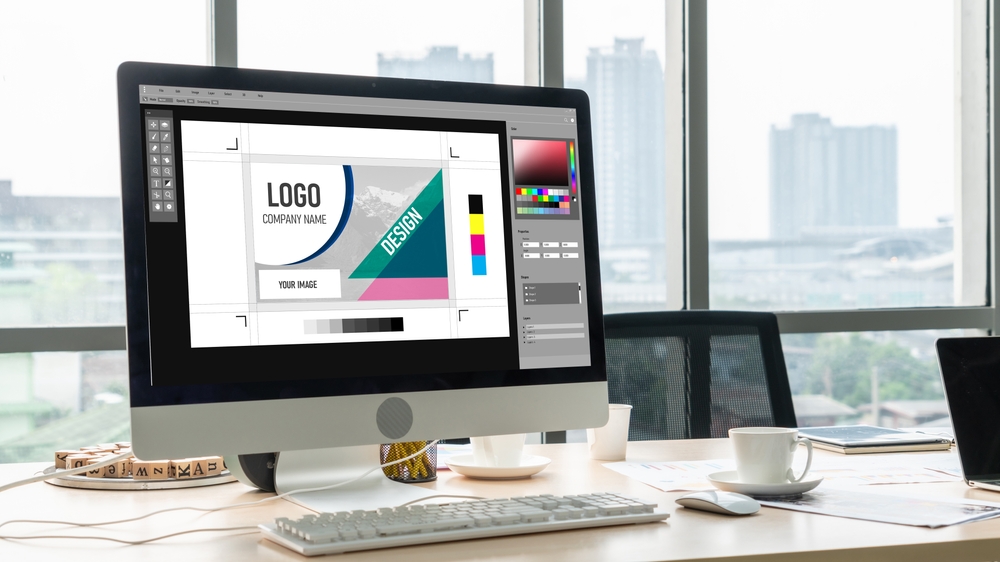
A graphic designer approaches signage as a communication system. They consider hierarchy, tone, legibility, brand alignment and user experience long before materials or fixings are discussed.
Without this step, signage can become reactive, inconsistent and visually cluttered.
Designers think about how a sign is experienced within a real space
A common challenge in retail projects is the assumption that signage is simply about placing a logo on a wall.
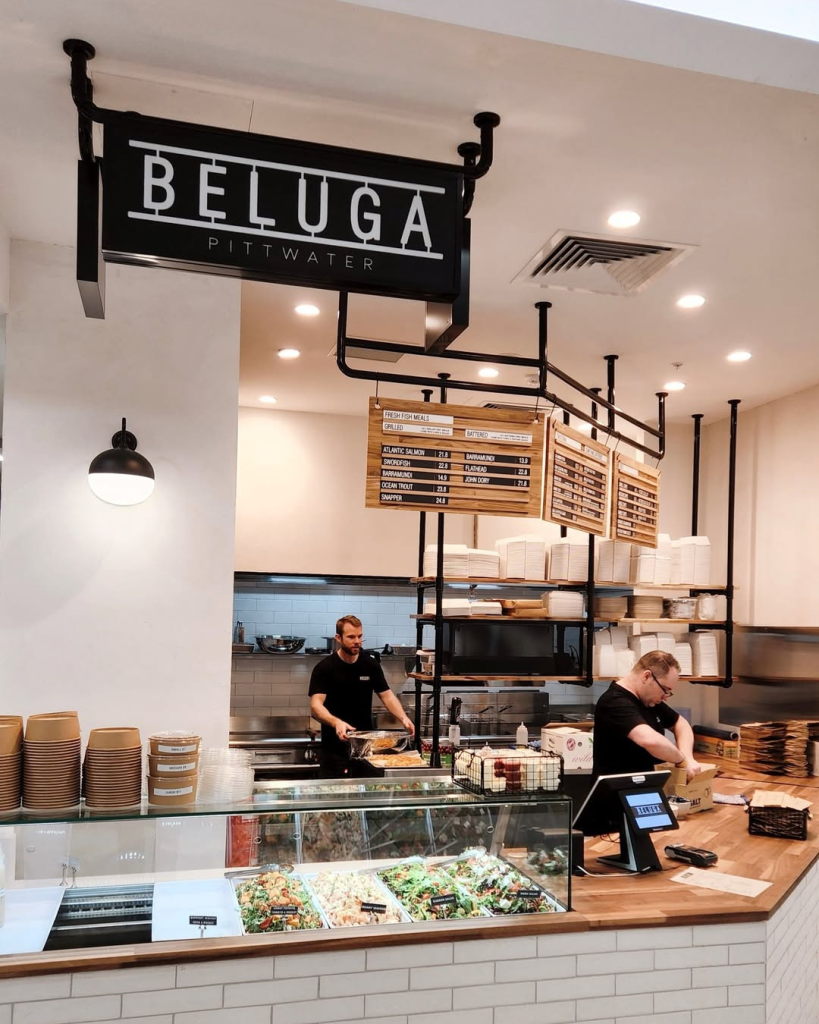
Tenants will sometimes engage a signage contractor directly, assuming the contractor can “design” the signage by dropping a logo into a standard layout or working from clip art-style assets. While this may technically result in a sign, it rarely results in good signage.
Signage contractors are experts at putting things together. Graphic designers are trained to think about how things should come together.
Design sense is not about software or production. It is about understanding proportion, hierarchy, spacing, legibility, brand tone and how a sign is experienced within a real space. Without that expertise, signage can feel generic, poorly scaled or disconnected from both the brand and the surrounding architecture.
This is where many tenancy outcomes fall short. The sign exists, but it does not elevate the store, support the precinct, or communicate the brand effectively.
Engaging a graphic designer ensures signage is intentionally designed, not simply assembled. It transforms signage from a basic requirement into a strategic asset that enhances both the tenancy and the wider retail environment.
Designers solve problems before they become expensive
Engaging a graphic designer early helps avoid common and costly issues such as:
- Too many sign types competing for attention
- Inconsistent fonts, colours and iconography
- Poor legibility at distance or speed
- Signage that clashes with architecture or shopfronts
A designer sets clear rules from the outset. What is primary. What is secondary. Where restraint matters. This clarity streamlines documentation and prevents redesigns once fabrication has started.
Fixing signage late in the process is almost always more expensive than designing it properly from the start.
Designers ensure every sign speaks the same visual language
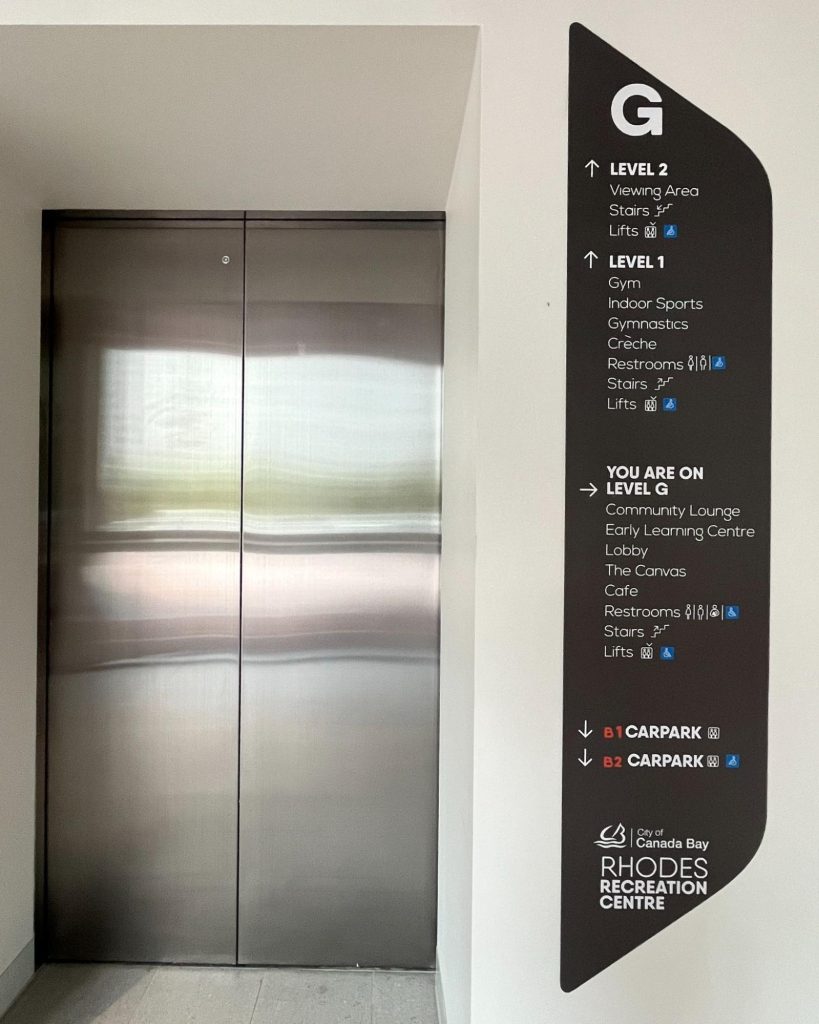
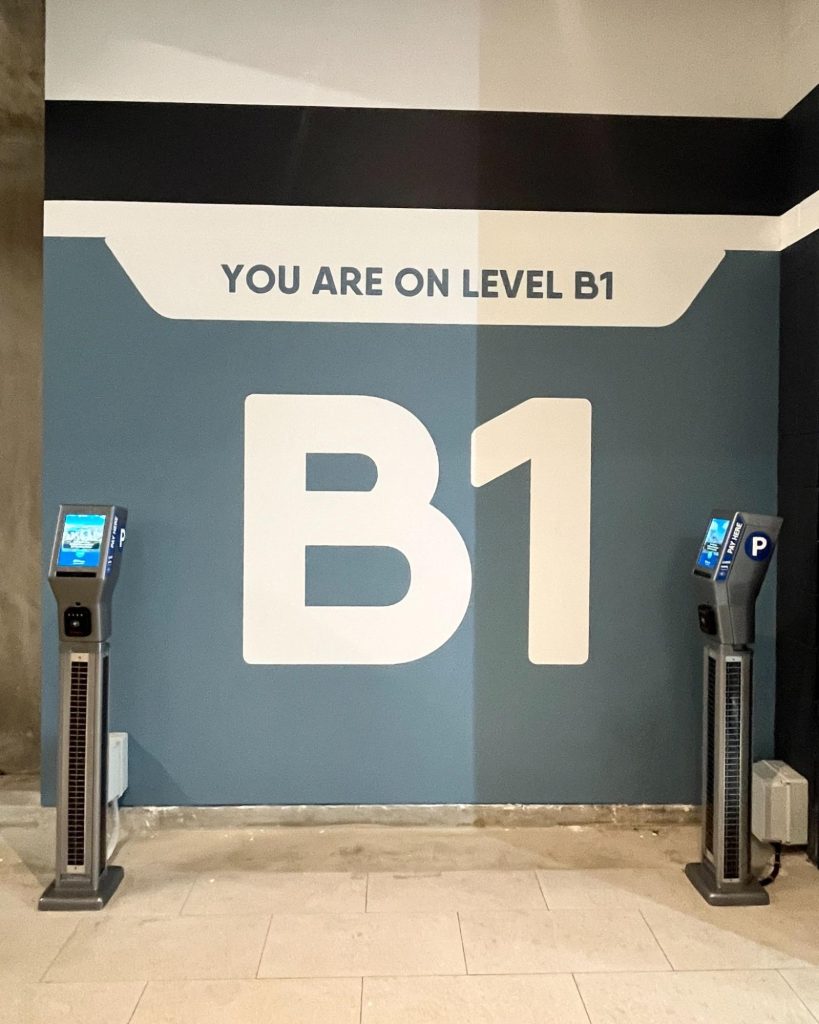
Retail environments rely on more than one sign. Shopfronts, directories, wayfinding, regulatory signage, promotional graphics and temporary messaging all need to work together.
Without a graphic designer overseeing the system, these elements often evolve independently, slowly eroding brand clarity and visual coherence.
A designer ensures every sign speaks the same visual language. The result is a retail space or precinct that feels intentional, considered and easy to navigate, rather than pieced together over time.
Designers design for people, not just compliance
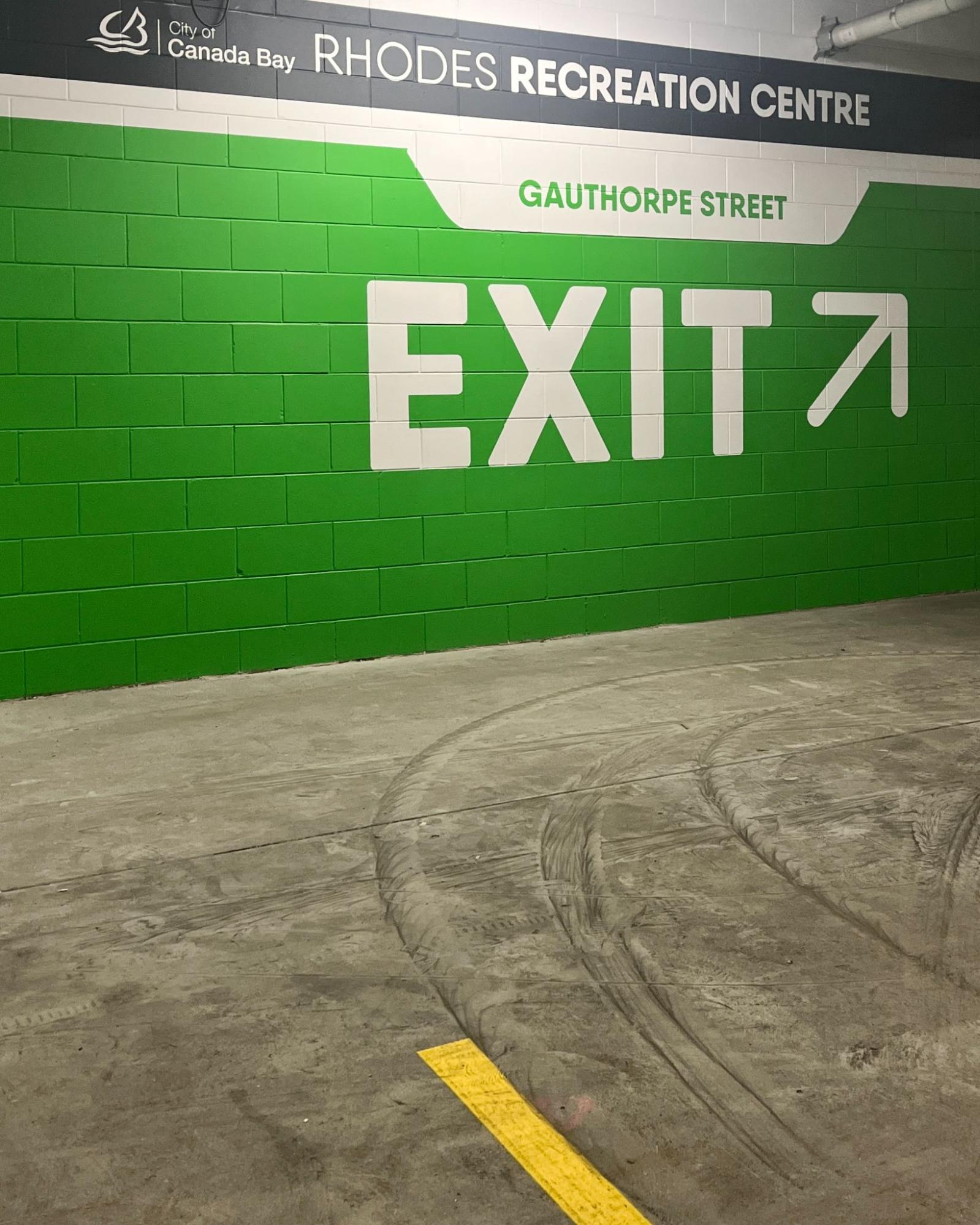
While signage contractors must prioritise compliance and buildability, graphic designers prioritise how people actually experience space.
Graphic designers consider:
- Viewing distance and sightlines
- Lighting conditions and contrast
- Movement speed and decision points
- Cognitive load for first-time visitors
This human-centred thinking leads to signage that is easier to read, quicker to understand and less mentally demanding.
The outcome is a calmer, more intuitive retail environment.
Designers future-proof your signage system
Retail spaces are constantly changing. Tenants move, brands refresh, centres evolve.
Graphic designers create signage systems that anticipate change. Modular layouts, scalable templates and clear hierarchies make it easier to update messaging without starting from scratch.
Without this foresight, signage becomes rigid and expensive to modify, leading to patchwork solutions that dilute the original design intent.
Good design is not just about now. It is about what comes next.
Designers protect the architecture and the wider vision
Signage should support architecture, not compete with it.
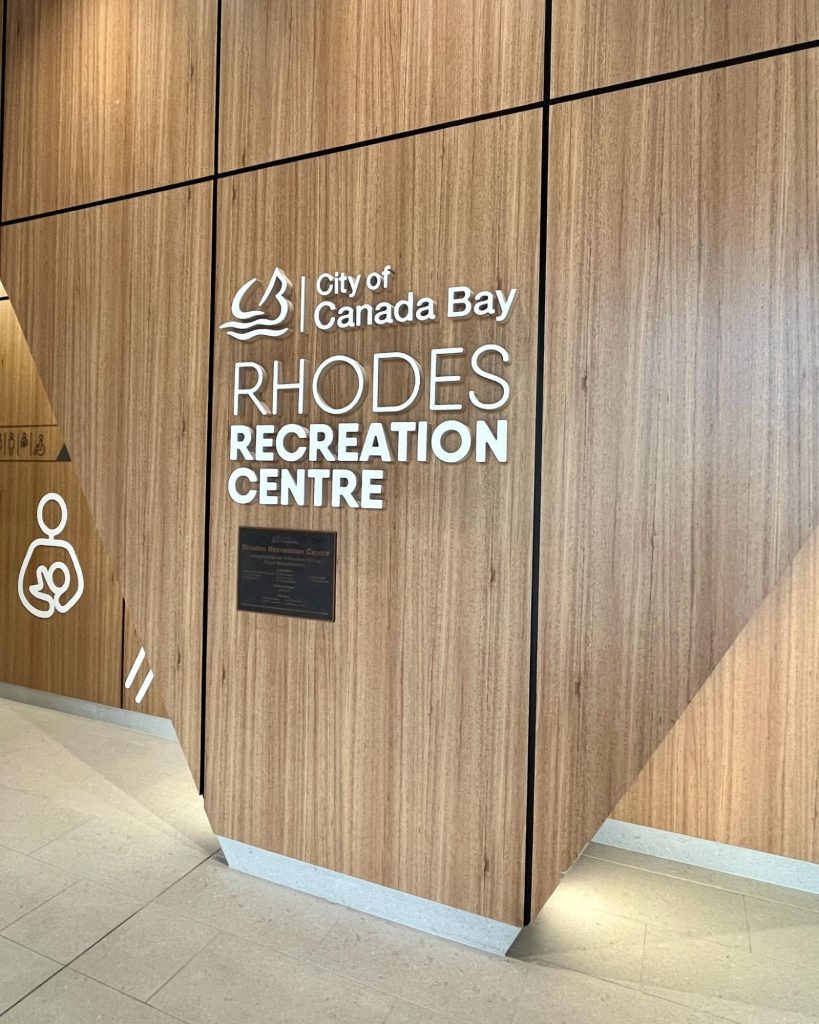
Graphic designers work alongside architects and interior designers to ensure signage integrates with materials, proportions and spatial rhythm. They understand when signage should be bold and when it should quietly recede.
Without this layer of design thinking, signage can overwhelm shopfronts, clutter public areas or undermine carefully considered design decisions.
Designers create signage that works hard, looks effortless and supports the bigger picture
At Citrus ID, we consistently see better outcomes when graphic designers and signage contractors collaborate, each doing what they do best.
The strongest outcomes come when roles are clearly defined:
- Graphic designers set the strategy, hierarchy and visual rules
- Signage contractors bring that vision to life through fabrication and installation
When these roles blur, signage risks being technically correct but visually unresolved. When they work together, projects run smoother and results are stronger.
If you want signage that works hard, looks effortless and supports the bigger picture, start with a graphic designer. Everything else will follow.