Why Specialist Retail Interior Design Experience Matters
June 12, 2026
The role of the shopping centre is changing.
While retail remains essential, many Australian shopping centres are giving people more reasons to visit by combining shops and restaurants with sport, entertainment, wellness, culture and community experiences.
Instead of simply providing a convenient place to make purchases, these centres are becoming destinations where people can spend several hours, meet friends, share a meal, enjoy an activity and participate in the life of their local community.
From a Shopping Trip to a Day Out
Online shopping has changed what people expect from physical retail environments. Convenience alone is no longer enough. Shopping centres must offer experiences that cannot be replicated through a screen.
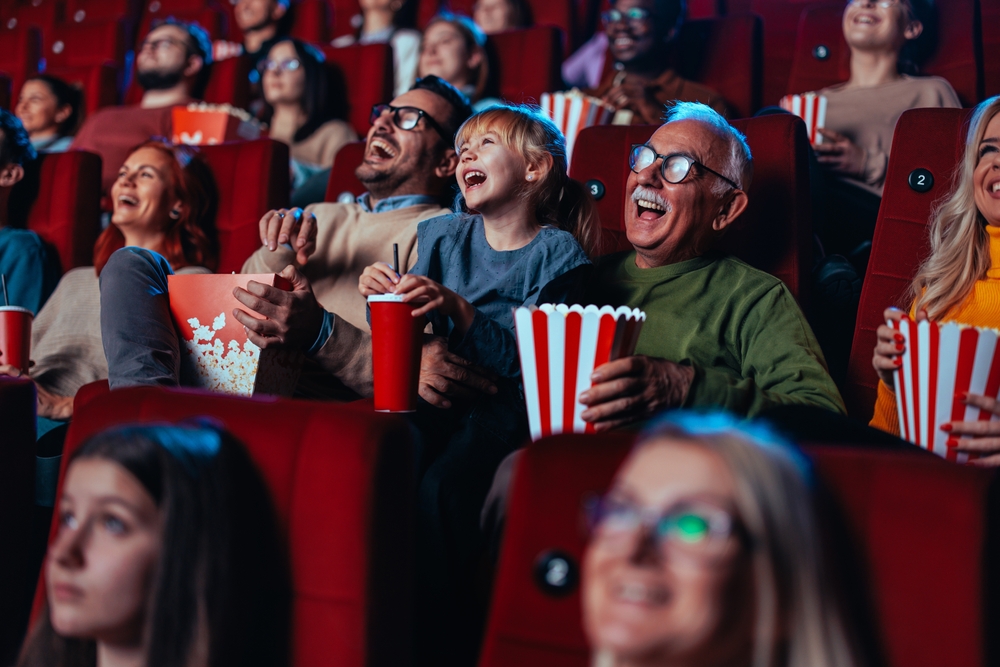
This has led to a broader mix of attractions, including cinemas, sporting facilities, playgrounds, immersive entertainment, hotels, wellness services, event spaces and distinctive dining precincts.
These experiences can attract a wider audience, encourage visitors to stay longer and create opportunities for repeat visits that are not dependent on purchasing a product.
Racquet Club at Robina Town Centre
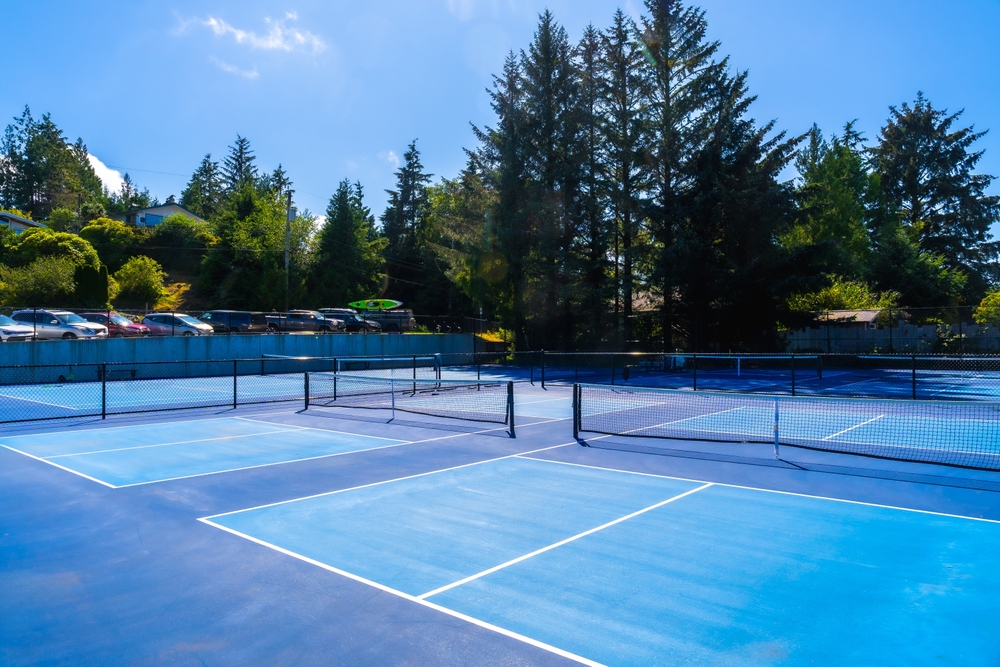
One of the most recent examples is Racquet Club at Robina Town Centre on the Gold Coast.
The 6,842-square-metre open-air venue features seven padel courts, six pickleball courts, recovery facilities and a clubhouse-style food and beverage offering.
Rather than functioning as a conventional sporting facility, Racquet Club brings together exercise, dining, music and social connection. Visitors can come for a game, meet friends for a drink or spend time enjoying the clubhouse atmosphere.
It demonstrates how underused areas within a shopping centre can be transformed into active destinations that complement retail while responding to the interests and lifestyle of the surrounding community.
Chadstone Mall: Shop, Dine, Play and Stay
Chadstone in Melbourne has developed into a major tourism, entertainment and lifestyle destination.
Alongside its extensive retail and luxury fashion offer, the centre includes LEGOLAND Discovery Centre, HOYTS cinema, dining precincts, an integrated hotel and The Social Quarter.
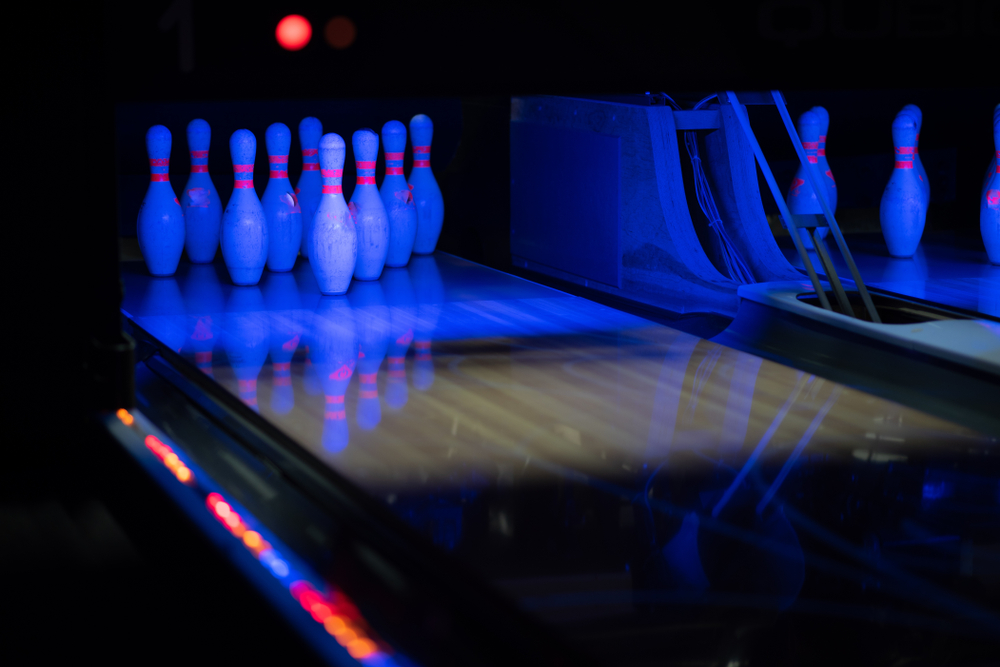
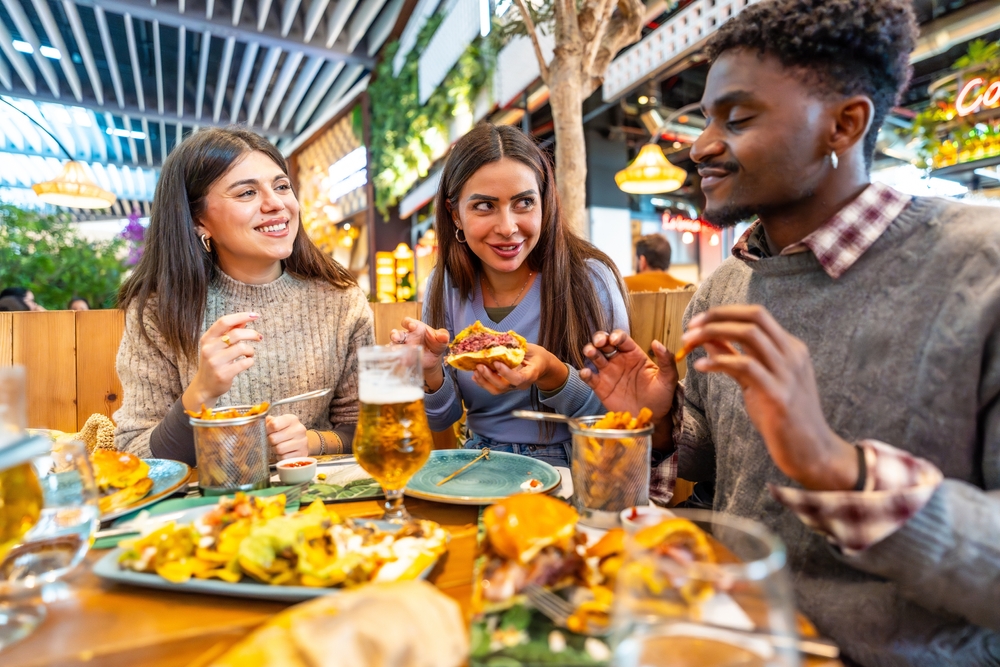
The Social Quarter combines food and entertainment experiences such as bowling, mini golf and interactive challenge rooms. This mix allows families, tourists, couples and groups of friends to build an entire day or evening around the centre, whether or not shopping is their primary reason for visiting.
Chadstone shows how a strong combination of retail, hospitality, accommodation and entertainment can broaden a centre’s appeal and establish it as a destination in its own right.
Forest Hill Chase: Bringing Community Sport into the Centre
Forest Hill Chase in Melbourne has taken a different approach by integrating a competition-grade basketball facility directly into the shopping centre.
Located on Level 3, The Summit Sports Complex features three indoor basketball courts delivered in partnership with Nunawading Basketball.
The facility supports competitions, training and community development programs, bringing players, families and spectators into the centre on a regular basis. It also transforms an upper level into an active community asset rather than relying entirely on conventional retail tenancies.
This type of facility can generate recurring visitation while connecting the shopping centre with local sporting organisations and the wider community.

Macquarie Centre: Entertainment Under One Roof
Macquarie Centre in Sydney has long demonstrated the value of combining shopping with recreation.
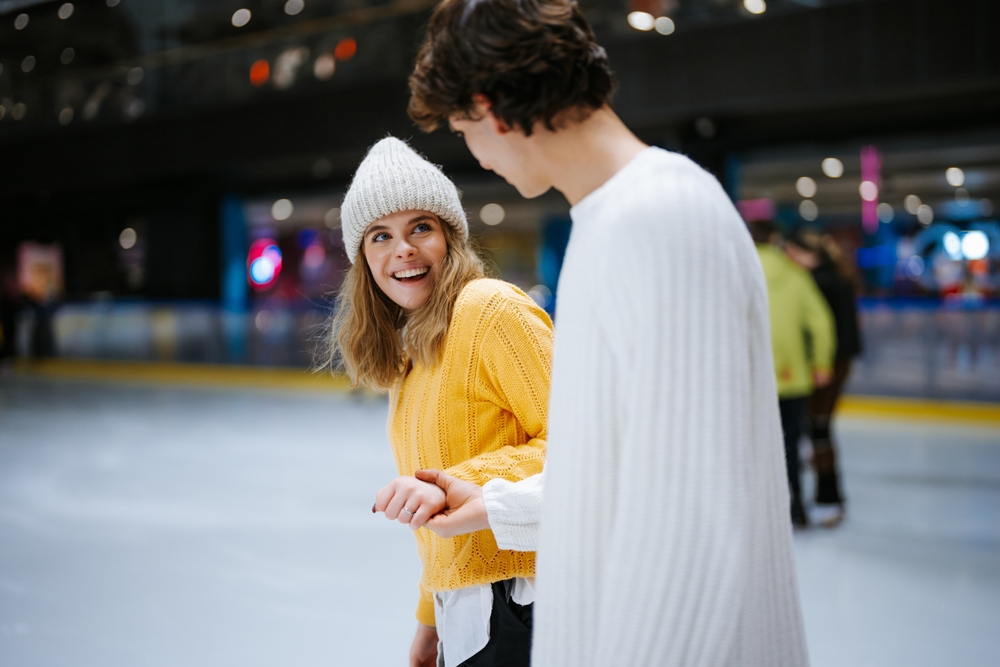
Its entertainment offer includes the Macquarie Ice Rink, Event Cinemas, Strike Bowling, Holey Moley, virtual reality experiences and family entertainment venues.
The ice rink is particularly important because it gives the centre a distinctive identity and provides a reason to visit throughout the year. Lessons, public skating sessions, ice hockey and other programs create a regular community of visitors rather than relying solely on occasional entertainment.
With dining located close to many of these attractions, visitors can easily turn one activity into a longer outing.
Pacific Fair: Retail with a Resort Experience
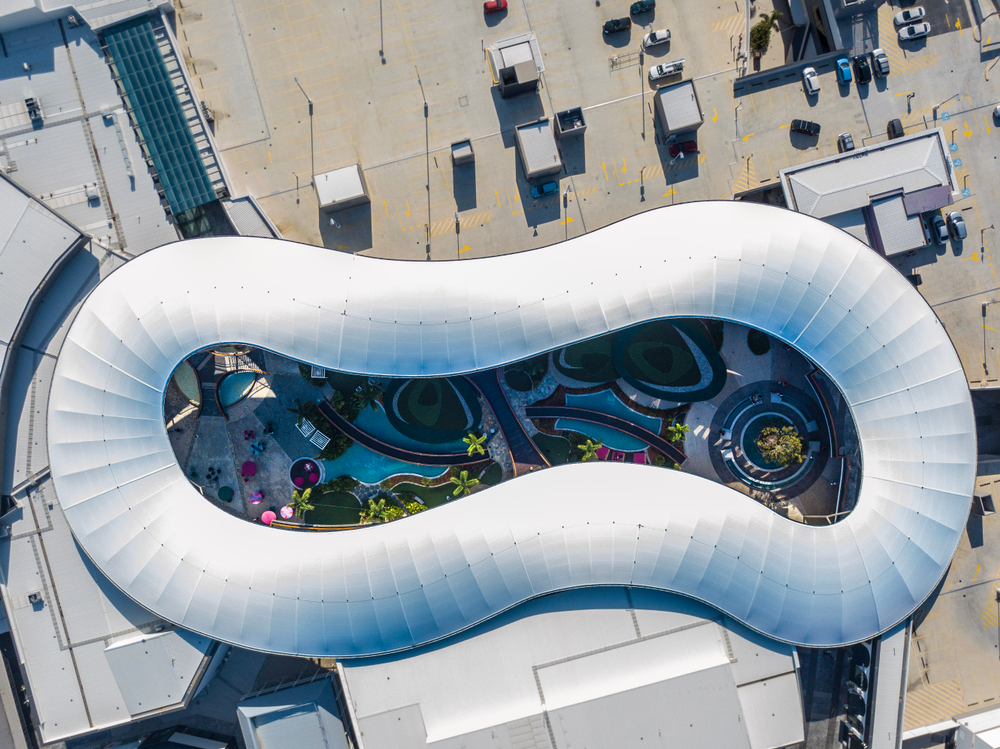
Pacific Fair on the Gold Coast uses its physical environment to create a destination experience.
Its tropical landscaping, palm-lined walkways, open-air spaces and resort-style seating distinguish it from a conventional enclosed shopping centre. The setting is supported by a substantial mix of restaurants, entertainment and luxury retailers.
The centre also includes Event Cinemas, dining precincts and visitor services designed to appeal to both local shoppers and tourists.
At Pacific Fair, the architecture and landscape are part of the attraction. The environment encourages visitors to slow down, explore and spend time in the centre beyond the practical purpose of shopping.
Melbourne Central: Heritage, Culture and Entertainment
PHOTO © www.khamtran.com
Melbourne Central demonstrates how a shopping centre can create a strong sense of place by combining retail with architecture and local history.
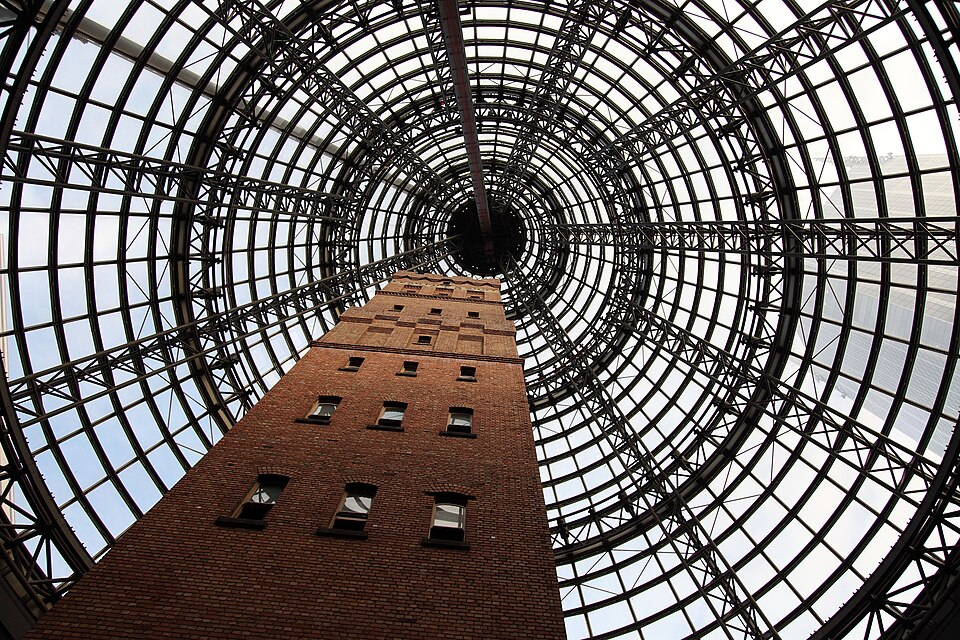
The centre was built around the historic Coop’s Shot Tower, which sits beneath the distinctive glass cone of Shot Tower Square. This heritage landmark gives the centre an identity that cannot be easily reproduced elsewhere.
Cinemas, dining, entertainment and regular activations add to the experience, while the Shot Tower provides a memorable focal point and connection to Melbourne’s past.
It is a reminder that destination retail does not always require a major entertainment attraction. Sometimes the architecture, history and character of a place can become the experience.
Why Destination Experiences Matter
Adding sport, entertainment, hospitality and community facilities can deliver several benefits for shopping centres:
- More reasons for people to visit
- Longer dwell times
- Greater evening and weekend activity
- Broader appeal across different age groups
- Stronger connections with the local community
- Increased opportunities for food and retail spending
- A more distinctive identity in a competitive market
The most successful examples are not simply collections of unrelated attractions. Each experience must be integrated into the centre’s overall design, customer journey and tenant mix.
Designing a Cohesive Destination
As shopping centres become more complex, good design coordination becomes increasingly important.
Sporting venues, entertainment operators, restaurants, wellness businesses and retailers can have very different operational and technical requirements. Each tenancy needs to express its own brand while contributing to a consistent and welcoming centre environment.
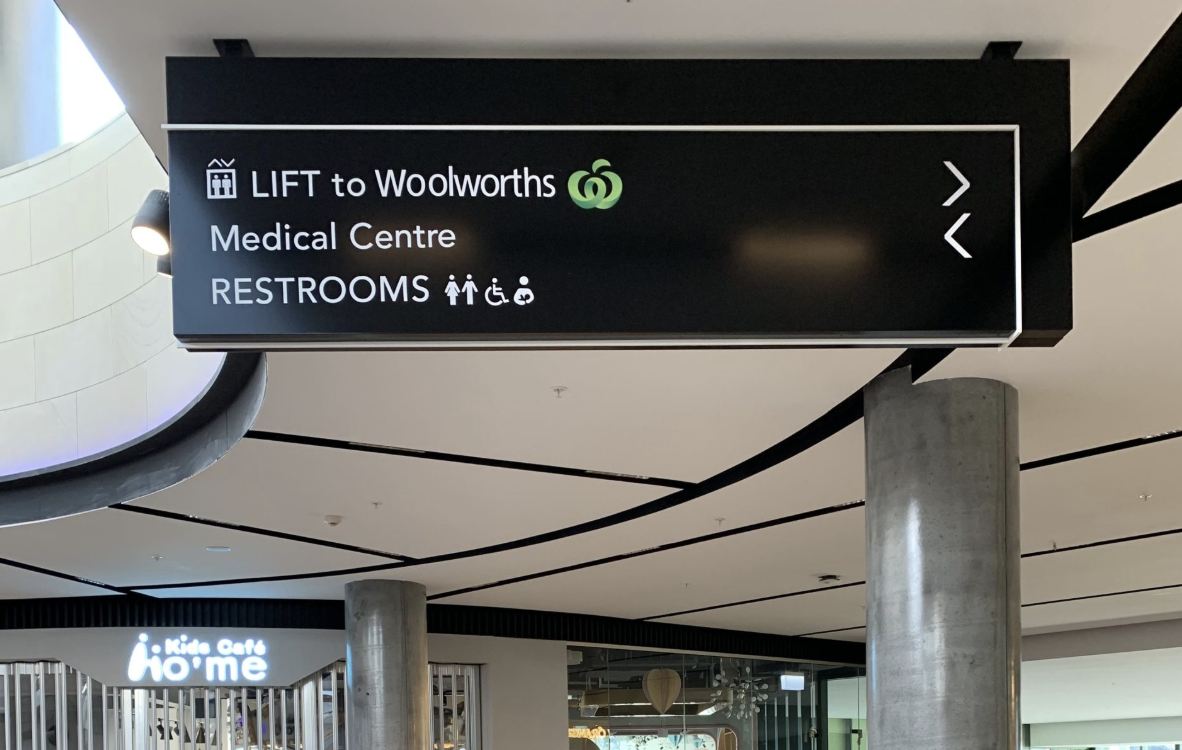
Wayfinding must also help visitors move easily between activities, dining areas, retail zones, amenities and car parks. Lighting, landscaping, signage, acoustics, seating and shared spaces all influence whether the destination feels connected or fragmented.
A Retail Design Manager helps bring these elements together by reviewing tenancy designs, maintaining design standards and coordinating the many stakeholders involved in creating the finished environment.
The Future of the Australian Shopping Centre
The future of shopping centres is not just about adding more stores. It is about creating places where people want to spend their time.
From pickleball at Robina Town Centre and basketball at Forest Hill Chase to ice skating at Macquarie Centre and resort-style dining at Pacific Fair, Australian centres are expanding their role within the community.
Retail remains part of the experience, but it is no longer the only attraction.
By combining shopping with food, recreation, entertainment and social connection, shopping centres can become vibrant destinations that remain relevant to the way people live, meet and spend their leisure time.
Contact the team at Citrus to find out more.